

 Alpha Romeo Engines
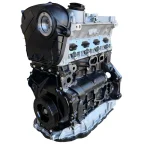 Audi Volkswagen Engines
 BMW Engines
 Chevrolet Engines
 Citroen Engines
 Daewoo Engines
 1/8 RC300 Nitro
 30 Degrees North
 ARRMA
ARRMA BlackZon
 Carrera
 Carson
 ECX RC CARS
 Ford
Ford FTX
FTX Kyosho
 Losi
Losi Mugen
Mugen rc4wd 1/10
 Rovan
Rovan Schumacher
 Spider
 Tamiya
 Traction Hobby
 Traxxas
 Trx-4
Trx-4 Vanquish


Lightweight Products and Solutions for Modern Living in the USA and Canada
Why Lightweight Designs Are Becoming More Popular
Lightweight products have become increasingly important across multiple industries in the United States and Canada because consumers now prioritize portability, efficiency, convenience, and improved performance. Whether shopping for electric bikes, travel gear, outdoor equipment, furniture, mobility devices, technology products, or industrial materials, buyers consistently look for solutions that are easier to transport, handle, and store. Modern engineering and advanced materials have allowed manufacturers to reduce weight without sacrificing durability, strength, or long-term reliability.
Consumers throughout North America often associate lightweight designs with better mobility and improved usability. In urban areas such as New York City, Toronto, Los Angeles, and Vancouver, compact living spaces and active lifestyles have increased demand for products that can be carried, folded, moved, or transported with minimal effort. Lightweight electric bikes, portable workstations, compact storage systems, and travel-friendly equipment are now widely preferred because they support convenience in everyday life.
Advancements in carbon fiber, aluminum alloys, reinforced polymers, and composite materials have played a major role in improving lightweight manufacturing. Industries ranging from transportation and construction to outdoor recreation and technology continue adopting lighter materials because they help improve fuel efficiency, energy performance, and product versatility. According to industry research, lightweight engineering also contributes to lower transportation costs and improved operational efficiency across manufacturing and logistics sectors.
For both residential and commercial buyers, lightweight solutions often reduce physical strain while improving storage flexibility and transportation convenience. Products designed with portability in mind are especially valuable for travelers, commuters, contractors, students, and outdoor enthusiasts who regularly move equipment between locations.
Benefits of Choosing Lightweight Products
One of the biggest advantages of lightweight products is improved portability. Consumers throughout the USA and Canada increasingly seek products that are easier to lift, transport, and store without requiring excessive physical effort. Lightweight equipment supports mobility and convenience in both personal and professional settings. Whether carrying an electric bike upstairs, transporting camping equipment, moving tools between job sites, or traveling with compact luggage, reduced weight improves overall usability and comfort.
Efficiency is another major benefit. In transportation industries, lightweight engineering can improve battery performance, fuel economy, and operational range. Electric vehicles and electric bicycles often rely on lightweight materials because reducing total weight helps maximize motor efficiency and extend battery life. Similarly, lightweight travel trailers, recreational equipment, and portable storage systems are easier to tow and maneuver, reducing operational stress for users.
Durability has also improved significantly in modern lightweight products. Advances in material science now allow manufacturers to create products that maintain structural strength while reducing unnecessary bulk. Carbon fiber and reinforced aluminum, for example, provide strong resistance to corrosion and environmental wear while remaining lighter than traditional steel alternatives. This balance between strength and reduced weight has made lightweight solutions highly attractive in industries such as aviation, automotive manufacturing, outdoor recreation, and consumer electronics.
Another advantage is improved storage flexibility. Compact and lightweight products are easier to organize in apartments, offices, garages, warehouses, and small commercial spaces. Urban residents in major North American cities often prioritize products that can be folded, stacked, or transported efficiently due to limited storage availability. Lightweight furniture, folding electric bikes, portable workstations, and modular storage units continue gaining popularity because they support modern space-saving lifestyles.
Consumers also appreciate the convenience associated with lightweight products during travel and outdoor recreation. Campers, hikers, cyclists, and adventure travelers often choose lighter equipment because it reduces fatigue and improves mobility during long-distance activities. The outdoor recreation industry has seen strong growth in lightweight camping gear, portable cooking systems, compact generators, and foldable transportation equipment designed for convenience and efficiency.
Lightweight Technology and Modern Material Innovation
The growing demand for lightweight solutions has encouraged manufacturers throughout the USA and Canada to invest heavily in advanced materials and engineering technologies. Carbon fiber remains one of the most recognized lightweight materials because it provides excellent strength-to-weight performance while resisting corrosion and environmental damage. Industries such as aerospace, electric mobility, and sports equipment manufacturing increasingly rely on carbon fiber construction for premium performance applications.
Aluminum alloys are also widely used due to their balance between affordability, strength, and low weight. Many modern electric bikes, automotive components, ladders, trailers, and industrial storage systems incorporate aluminum because it improves portability without sacrificing structural reliability. Stainless steel and reinforced polymers are often combined with lightweight metals to improve durability while reducing overall product mass.
In the automotive and transportation industries, lightweight engineering contributes directly to energy efficiency and environmental sustainability. Electric vehicles and hybrid systems benefit from lighter construction because reduced weight lowers energy consumption while improving acceleration and operational range. Industry reports continue highlighting the importance of lightweight manufacturing in supporting future transportation innovation and sustainability initiatives.
The consumer electronics sector has also embraced lightweight design principles. Laptops, tablets, smartphones, portable batteries, and wearable devices continue becoming thinner and lighter while maintaining strong performance capabilities. Buyers increasingly expect portability and convenience as standard features in modern technology products.
Construction and industrial industries are also benefiting from lightweight innovation. Portable scaffolding, modular buildings, compact storage systems, and mobile equipment help improve transportation efficiency and labor productivity on commercial job sites. Contractors and facility managers often prioritize lightweight equipment because it reduces setup time while improving operational flexibility.
Another important trend is the integration of ergonomic design with lightweight engineering. Manufacturers now focus on creating products that reduce user fatigue and improve comfort during daily operation. This approach has become especially important in healthcare equipment, mobility devices, office furniture, and recreational products where ease of handling directly impacts user experience.
Buy Lightweight Products with Confidence in the USA and Canada
The demand for lightweight products continues expanding throughout North America as consumers and businesses prioritize portability, efficiency, and practical performance. Buyers across the United States and Canada increasingly seek products that simplify transportation, improve convenience, and support modern lifestyles without compromising durability or functionality.
Whether purchasing electric bikes, travel equipment, outdoor gear, portable storage systems, mobility devices, or industrial tools, consumers often compare product weight alongside durability, battery efficiency, storage convenience, and long-term usability. Lightweight designs provide meaningful advantages for commuters, travelers, homeowners, contractors, students, and recreational users who value flexibility and easy handling.
Businesses also benefit from lightweight solutions because they can reduce shipping expenses, improve worker productivity, and simplify operational logistics. Industries ranging from transportation and construction to healthcare and retail continue investing in lightweight technologies to improve performance and reduce long-term operating costs.
North American buyers frequently prioritize products that combine portability with reliable performance and premium materials. Advances in manufacturing technology now allow lightweight products to achieve impressive durability while maintaining sleek modern designs and user-friendly operation. Independent industry analysis consistently supports the growing importance of lightweight engineering across consumer and commercial markets.
As innovation continues driving material improvements and product efficiency, lightweight solutions are expected to remain one of the most important trends in transportation, outdoor recreation, technology, and modern living. Consumers searching online for lightweight products often prioritize convenience, efficiency, portability, and versatility when comparing available options across the USA and Canada.




Reviews
There are no reviews yet.